
 Insights
September 26, 2026 · 6 min read
Guide
Most of us love the idea of learning more, but in reality, absorbing new knowledge is usually harder than we expect it to be. As Winston Churchill once said “I am always ready to learn, although I do not always like being taught.” It’s a familiar feeling, you have the desire to master a new skill but when it comes to the work involved in learning and developing that skill you lose focus and get frustrated.

Attensi Team
Published · Updated
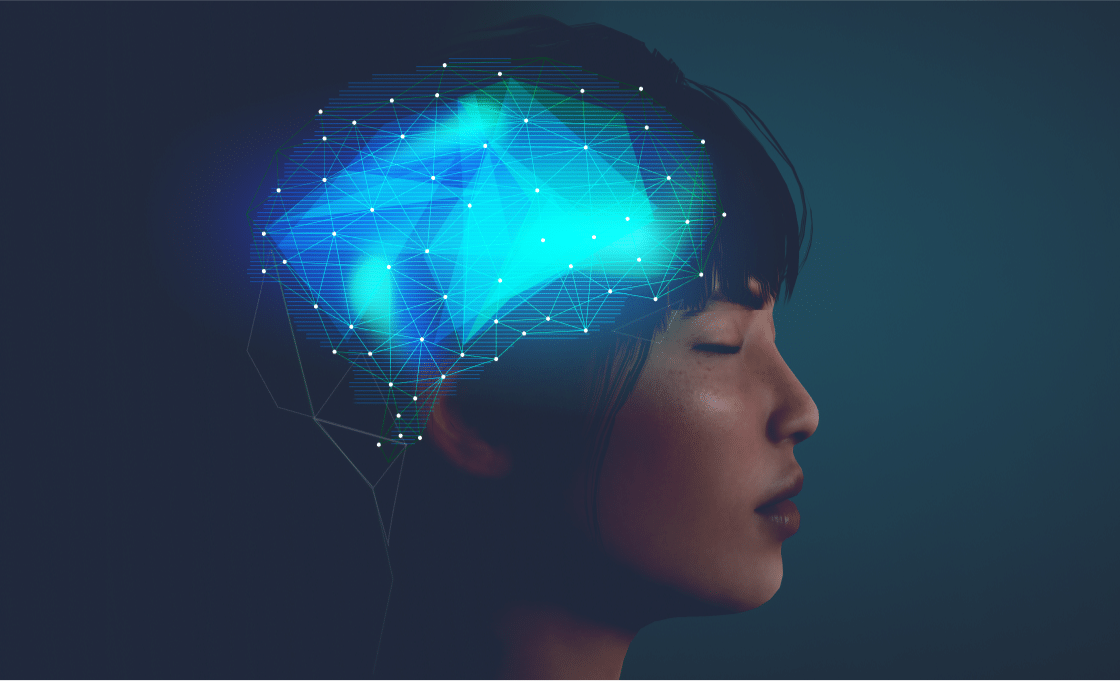
"The brain is a learning machine. It’s wet-wired to absorb as much as it can… but being taught is a struggle sometimes, and there are good reasons for that."
"A simulation is pretend behavior. And that’s the most natural way for people to learn… Make it ‘make-believe’ and there’s no fear in experiencing and simulating the behavior you want to do."
Behavior change requires disrupting current habits while creating new, unfamiliar actions. The brain prefers efficiency and familiarity, so change takes time and repeated effort.
Around 45% of our daily behaviors are automatic.
Continuous learning keeps our brains sharp and healthy, opens up new opportunities and supports personal growth. People who work for companies that invest in learning are 83% more likely to feel happier in their job.
Training that lets people practice new behaviors repeatedly, in realistic situations and with immediate feedback, helps new habits form. Simulation-based training is designed to do exactly that.
InsightsSeptember 26, 2026 · 6 min read
 Insights
September 26, 2026 · 7 min read
 Insights
September 23, 2026 · 7 min read
 Insights
September 23, 2026 · 5 min read