WHITE PAPER
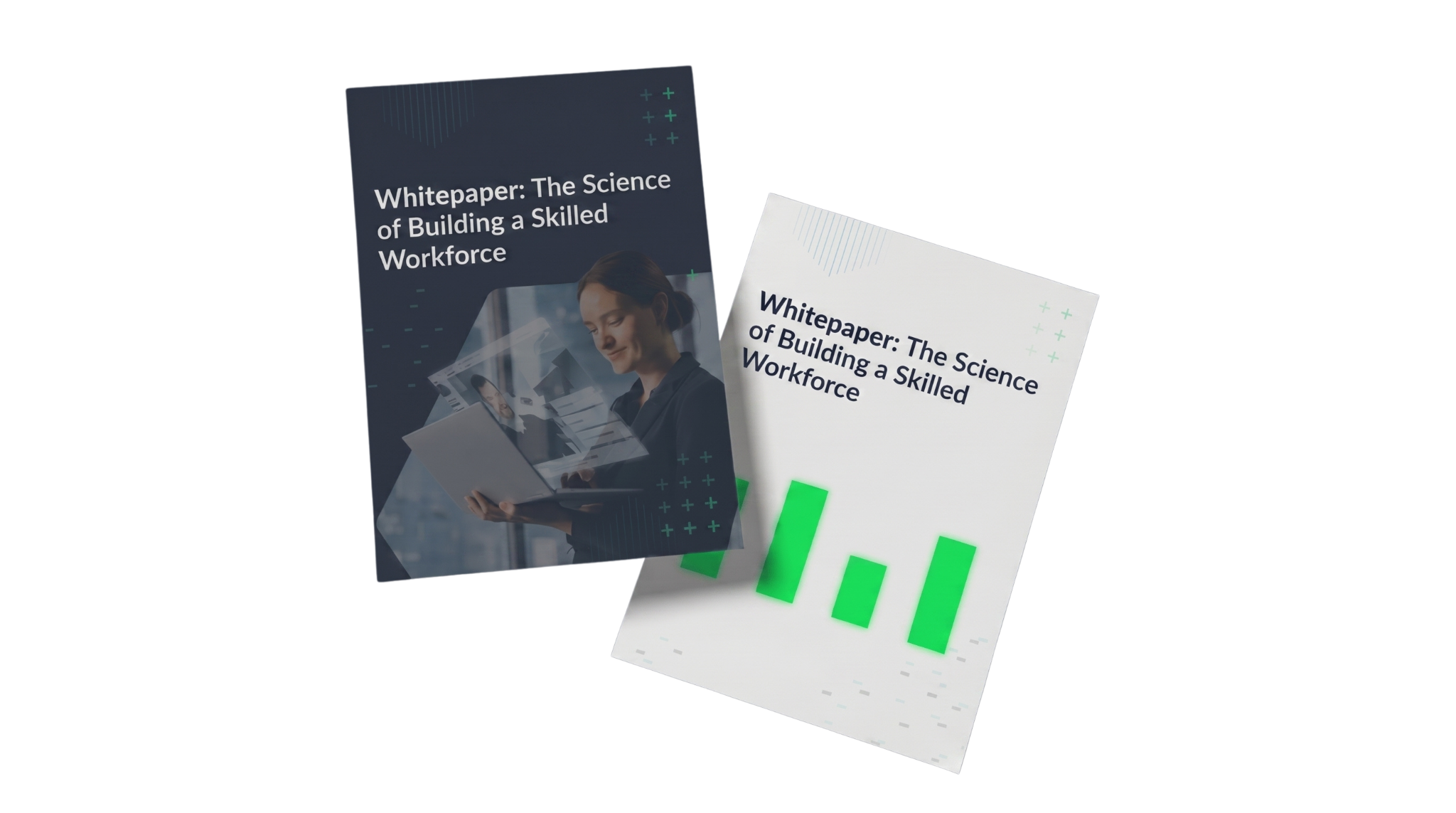
From Motivation to Mastery: The Science of Building a Skilled Workforce
New research into what actually drives skill development and performance at work.
New data from a national study of US Hospitality and QSR workers has uncovered an unexpected pattern in workforce motivation: 41% of all workers in the sector would choose better training over a 5% pay rise - a figure that jumps to 54% among 25–34s, revealing a previously hidden leadership pipeline ready for development.
Training over money: the age breakdown
While pay remains important across the industry, younger and early-career workers show a striking appetite for skill development.
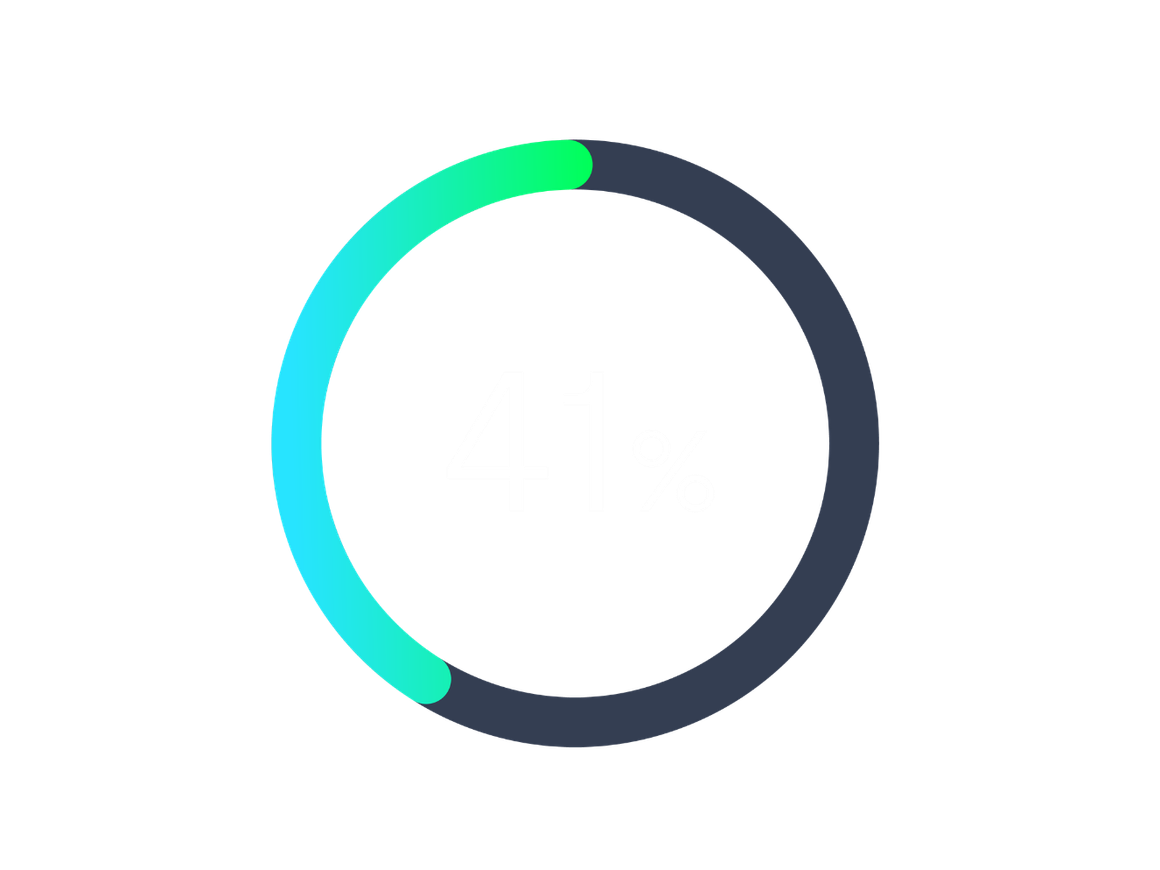
41% overall would choose better training to improve their skills over a 5% pay increase with no further training
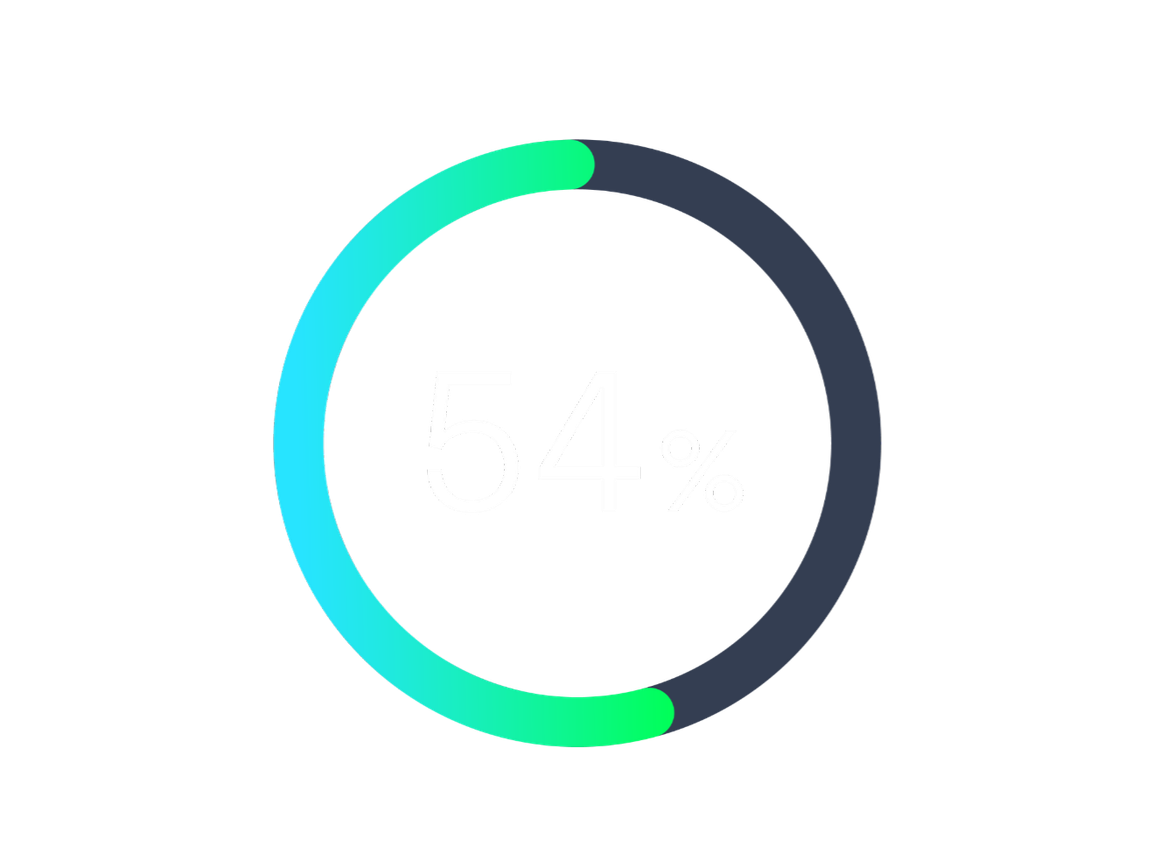
Among 25-34 year olds, a majority (54%) chose training over better pay

“It is a surprisingly high number of people who would choose better training over a pay rise. But the data shows why: confidence is a more powerful motivator than cash. For career building workers - including new managers and aspiring leaders - confidence, competence and progression matter more than short-term financial gain.”Trond AasCEO, Attensi
Confidence, not pay is the number one motivational driver of skill improvement
Hospitality employees are clear about what motivates them to train and improve skill.
- 71.5% say they do so primarily to feel more confident and capable
- Only 17.4% do so for financial incentives or advancement
Confidence has a direct impact on frontline performance, predicting:
- Better guest service
- Fewer errors
- Faster onboarding
- Higher day-to-day performance
If operators want staff to grow, they must focus on confidence-building. Money alone won’t do it.

A clear call to action for hospitality operators
The findings reveal an urgent need for operators across Hospitality and QSR to rethink their training strategies:
- Invest in 25–34s: the most committed, progression minded cohort
- Build confidence, not just competence
- Shift to simulation and hands-on training models
- Identify high-potential staff through motivational signals, including hobbies
- Use training quality as a retention lever, not an afterthought
The sector’s next generation of leaders is already in the workforce. They’re simply waiting to be developed.
Read more about how gamified training drives motivation that lasts.
Methodology
All survey figures are drawn from Attensi's Motivation and Skill Mastery in the Workplace 2026 study. The study surveyed n=505 employed U.S. adults aged 18 and over working in the hospitality industry, fielded online in spring 2026 via an online panel, with quotas applied on age, gender and U.S. Census region for broad national representation. It comprised 67 questions across 21 topic areas, combining Likert-scale agreement batteries, forced-choice tradeoff questions and multi-select behavioral inventories. Agreement figures combine "strongly agree" and "agree" responses; percentages are rounded to the nearest whole number; sub-group bases below n=50 should be read as directional rather than statistically generalizable.