

Join the retail training revolution
Attensi head of retail, Madeleine Porter headed to the Retail Week Innovation Summit to join a panel with both Levi’s and The Very Group to discuss how retailers can combat the number of promising talent leaving the industry.
Join the retail training revolution
Attensi Head of Retail, Madeleine Porter headed to the Retail Week Innovation Summit to join a panel with both Levi’s and The Very Group to discuss how retailers can combat the number of promising talent leaving the industry.

What can be done to mitigate the growing trend of employees leaving their jobs in retail?
Even those with extremely successful careers in retail will concede it’s a lot of hard work. But it’s also thoroughly rewarding and can offer a range of great career paths and opportunities.
Why then, are people leaving the industry in the numbers they are? In 2022, it was revealed by The Retail Trust1 that as many of a fifth of all retail workers in some of the biggest names were planning on quitting.
Some of the most unhappy employees in retail are those aged between 16-29. In other words, the employees that are just starting out on their journey in their careers and the working world.
There are several reasons for this:
1. More challenging customers
Of 1,000 employees surveyed by the Retail Trust2, there were some shocking results when it came to negative or challenging customer interactions:
- 90% of respondents have encountered abuse at work
- More than 8 in 10 had been verbally assaulted
- Over 30% had been threatened with physical violence
- More than 25% didn’t report incidents because they either didn’t think they’d receive support, they thought they’d get into trouble, or they simply didn’t know who to turn to
- 32% reported having little to no training when they were onboarded3 - leaving employees unsure how to deal with challenging customers and incident protocols
Customers are also now more knowledgeable about products than ever before. They have time to research and come into stores with high expectations. When products are constantly evolving and new products are constantly launching, retail employees need to have top tier product knowledge. But they also need to be experts in those soft skills - communication and sales to keep demanding customers happy.
2. Lack of empowerment
Off the back of this challenging working landscape, many employees have said that they don’t feel empowered to be able to handle these difficult conversations and interactions.
Either they have received training, but they’re bound by company policies that don’t put their safety and wellbeing first, or they simply haven’t had any training at all and they freeze when these incidents happen.
A lack of empowerment can also lead to feeling lost when it comes to your career and what’s next. This feeds into the narrative that many retail employees feel they’re in a ‘job’ and not a real career. They don’t feel able to take control of their future and influence the direction.
3. Lack of flexibility
Operational requirements (shop floor, distribution etc) make it difficult for retailers to offer flexible working4 in the traditional sense.
However, it may be that there are some things you can put in place to help your employees feel as though their work-life balance is still being respected, while still meeting customer and operational demands.
4. Feeling like they can’t come back
During the summit, the point was raised that technology in retail is moving so quickly, that if you’re gone for a time, it can often be very hard to catch up and return.
Of those that are wanting to make a return to retail after a break (whether that’s parental leave, long term sickness or any other reason), people don’t always feel like they’re able to due to a lack of return to work policies or procedures.
5. Lack of investment in their futures
In any large organization, it’s easy for employees to feel like they’re just a small cog in a big machine, and to ultimately feel undervalued. Lack of training and development opportunities can easily start feeding into these feelings, and ultimately drive people towards leaving.
As many as 95% of people would stay longer in their roles if they felt they were being invested in.
In retail, this could explain why so many people in the 16-29 bracket are leaving the industry. Research suggests that learning and development is a growing priority for Gen Z and Millennial workers than it may have been for their predecessors. In other words, they expect equal investment from their employers.
What’s the next move for retail?
The good news is, it’s not all doom and gloom. There are things we can do in the industry to help encourage and support teams as their careers blossom.
Demand for talent is high. Your organization has to stand out for all the right reasons as somewhere that cares about its employees. Not only will this help you to retain the talent you already have, it’ll hopefully help you attract the right kind of candidates in the future.
Have you got your salaries, pensions and benefits clearly stated? Are they effectively communicated to your teams? Are they offered more the longer they’re with you?
People don’t know what they don’t know. Entry level employees may not be aware of the opportunities available to them within your organisation. Someone may start out on the shop floor, but maybe their future lies in distribution or merchandising.
It’s important that you effectively communicate the available career paths and, importantly, how someone might go about taking those paths. If they need specific qualifications, how do they do that? Do you offer that as part of their professional development? Can you give them the flexibility they need to complete them?
It’s not always possible to offer pay rises and promotions. But there are always opportunities for professional development – whether that’s reskilling or upskilling. You’ll be putting your employees in the best possible position for when the time comes that promotions or new opportunities are on the cards.
And while they’re waiting, you can clearly demonstrate that you’re invested in and care about their future within your organization.
Everyone is on their own journey. As much as possible, you want to be making sure that you’re tailoring your L&D to the individuals in your organization, and guiding them towards their desired goals.
Give your people the time and space to try new things, make mistakes and learn from them. This is how you’ll empower them to make quick decisions that are in the best interests of your organization, and themselves.
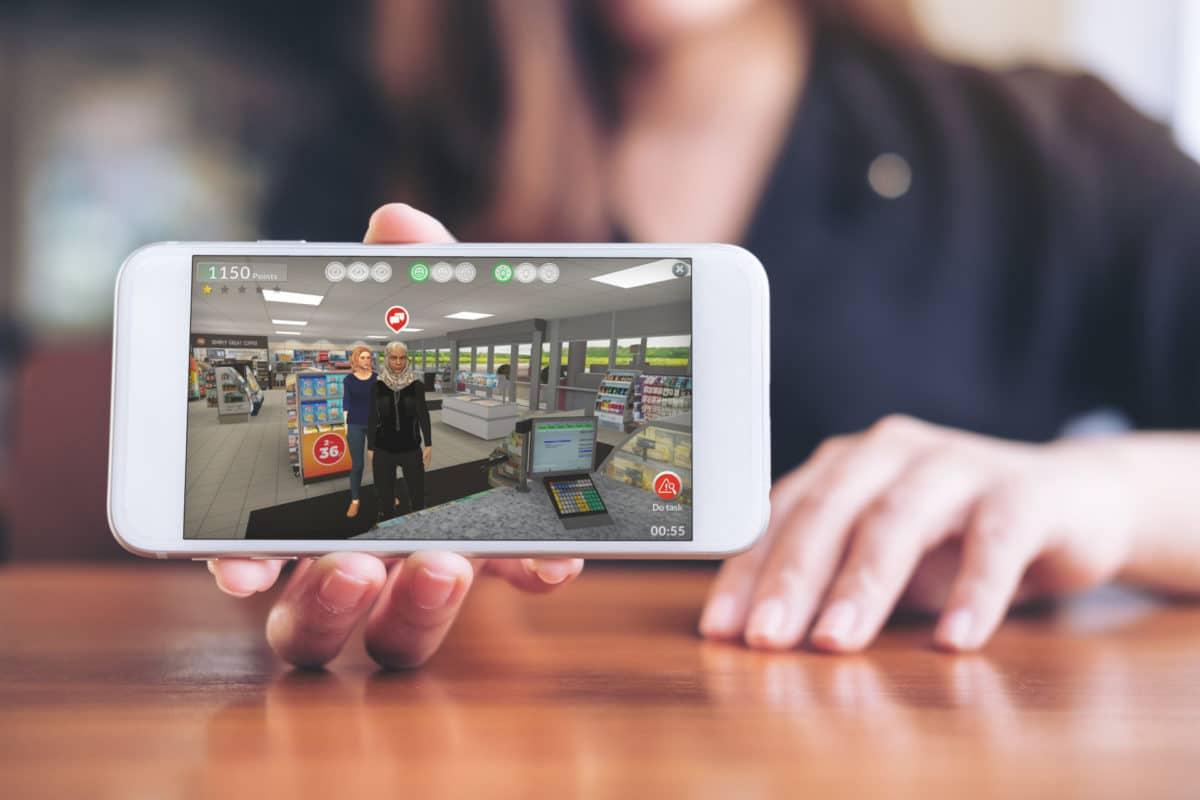
While you might not always be able to offer flexible hours, your L&D doesn’t have to be boxed in. Gone are the days of rushing through corporate training on a back office PC. Nowadays there are plenty of innovative L&D solutions that will fit into a busy retail schedule, including Attensi.
Lean into mobile first and remote technology when it comes to your L&D. Your teams most likely have devices, and they’re keen to use them. Offer them training that allows them to be in the driver’s seat – to be completed at the time and place that suits them.
Attensi are here to help
Attensi’s gamified simulation training tools is the innovation you’ve been looking for. Here, you have the chance to get your workforce excited about their careers in retail.
85%knowledge gap closure
5xfaster time to competence
56%reduction in staff turnover
93%love gamified training
From onboarding and management training, to soft skill and process training, Attensi understands the operational needs of a thriving retail business. Create bespoke, flexible training for your teams and your organization.
Start turning retail jobs into real careers.
Speak to one of our Attensi retail experts today:
Are you ready to level up your training?

Sources
- One in five retail workers plan to quit the retail industry, retailtrust.org.uk
- Retail Trust charity launches campaign to respect retail as shaken retail workers face weekly abuse from stressed shoppers, retailtrust.org.uk
- Most retail employees receive no real training, retaildive.com
- Flexible working practices, cipd.org/uk/knowledge/factsheets/flexible-working-factsheet